Legacy Within
The Legacy BehindOur Name
Honoring the profound contributions of a visionary who bridged ancient wisdom with modern understanding
Acharya Kailashchandra DevBrahaspati
Sangeet Mahamahopadhyay, Vidya Martand
(1918-1979)
Great Vaggeyakar (Composer), Music Theorist, and Representative of the Rampur Sadarang Tradition
Early Life & Heritage
Born on January 20, 1918, in the princely state of Rampur, Uttar Pradesh, Acharya Kailash Chandra Dev Brahaspati was known as the representative of the Rampur Sadarang Tradition. His ancestral connection with the Rampur court meant he inherited not only the artistic culture of that tradition but also developed a serious interest in Sanskrit, Persian, Urdu, Hindi, Brajbhasha, and their literature.
His early education was shaped by his father, Pandit Govind Ram, himself a great Sanskrit scholar, which instilled in him a strong foundation in Sanskrit literature from childhood. He received education in Alankara Shastra from Mahamahopadhyay Pandit Parameshwaranand Shastri, Nyaya and Vyakaran from Pandit Hari Shankar and Shri Chhedi Jha, and early education from Pandit Kanhaiya Lal Shukla and Rajpandit Pandit Ramchandra Shastri.
Musical Education & Research
His inclination towards music began in childhood. He received inspiration for musical education and research from Mirza Nawab Hussain Sahab of Rampur. Additionally, Maulana Imtiaz Ali Arshi, the learned and distinguished manager of the Rampur State Library, was very helpful in inspiring Acharya ji to present an integrated form of ancient and modern principles in the musical world as research.
He also received education in Pakhawaj from Pandit Ayodhya Prasad ji, the prestigious Pakhawaj player of the Rampur court. After this, Acharya ji obtained the Acharya degree in first class from M.D. College and returned to Rampur to begin teaching at Raza Inter College.
A true polyglot and multilingual scholar, Acharya Brahaspati mastered Sanskrit, Pali, Prakrit, Apabhramsha, Hindi, Urdu, Persian, and English, becoming a bridge between different cultural and linguistic traditions.
Musical Innovation & Instruments
During his time at Vikramaditya Sanatan Dharm College, Kanpur, Acharya Brahaspati studied Sharngadeva's Sangeet Ratnakar, Bharatmuni's Natyashastra with Abhinavgupta's commentary, and other ancient texts. To clarify the fundamental principles, he constructed Brahaspati Veena, Shrutidarpan, and Brahaspati Kinnari in 1957.
By establishing swaras on these instruments according to the Bharata method, he demonstrated both Grams and the 22 Shrutis at an assembly in Mumbai (Bombay). This not only brought him popularity, but his demonstration of Jati singing astonished the audience. With his scholarly approach, he successfully bridged ancient musical theories with modern practices.
Teaching & Broadcasting
Acharya Brahaspati's career as a teacher was equally remarkable. He taught Dharmshastra & Sanskrit at Vikramajitsingh Sanatan Dharm College, Kanpur and later became Chief Advisor of Music, Sanskrit & Brijbhasha at All India Radio, Delhi. His pioneering contribution to starting Sanskrit news broadcasts remains a testament to his dedication to Indian culture.
Literary Legacy
A prolific writer, Acharya Brahaspati authored several monumental works including:
- Bharat Ka Sangeet Siddhant & Dhruvapad Aur Uska Vikas
- Sangeet Chintamani & Natyashastra ka 28-Vaan Adhyaya
- Musalmaan Aur Bhartiya Sangeet & Khusro Tansen Aur Anya Kalakar
- Brij Ballari Bilas (Poetry in Brij Bhasha) & Raag Rahasya (Parts 1-5)
- Megh Ka Kavi (Compilation of Radio plays)
He also studied and interpreted ancient texts like Sharngadeva's Sangeet Ratnakar and Bharata's Natya Shastra, making classical music accessible to modern audiences.
Enduring Legacy
Acharya Brahaspati passed away on July 31, 1979, in Delhi, but his legacy continues through his disciples and their teaching traditions. His profound contributions to both the theoretical (Shastra Paksh) and practical (Kriyatmak) aspects of Indian music will always be viewed with reverence.
Notable Disciples: Ustad Ghulam Mustafa Khan, Srimati Sumitra Anandpal Singh, Vidushi Sulochana Brahaspati, Saryu Kalekar, Pandit Bhimsen Sharma, V. N. Nigam, Harish Chandra Dubey, and many others who continue his work.
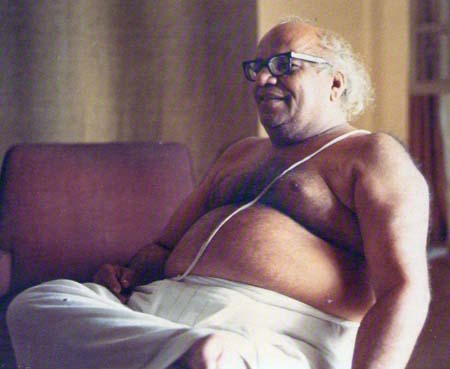
A visionary who bridged ancient traditions with modern expression
Quick Facts
Revolutionary Contributions
Three pillars that defined his extraordinary legacy
Musical Innovations
Created unique instruments like the Brahaspati Veena and Shrutidarpan, demonstrating the 22 shrutis and ancient Indian Murchhna System.
Academic Excellence
Taught Dharmshastra & Sanskrit at Vikramajitsingh Sanatan Dharm College, Kanpur and became Chief Advisor at All India Radio, Delhi.
Literary Contributions
Authored several monumental works including "Bharat Ka Sangeet Siddhant," "Dhruvapad Aur Uska Vikas," and many more scholarly texts.
आचार्य कैलाशचन्द्र देव बृहस्पति
सङ्गीत महामहोपाध्याय, विद्या मार्तण्ड
रामपुर सदारंग परम्परा के प्रतिनिधि आचार्य कैलाश चन्द्र देव बृहस्पति आधुनिक भारतीय संगीत जगत के एक महान वाग्गेयकार व संगीत शास्त्री के रूप में जाने जाते हैं । आचार्य जी का जन्म 20 जनवरी 1918 में उ॰ प्रदेश की रामपुर रियासत में हुआ। आचार्य जी का वंशगत सम्बंध रामपुर दरबार के साथ रहा था जिसके परिणाम स्वरूप उस परम्परा का कलागत संस्कार तो उन्हें मिला ही संस्कृत, फारसी, उर्दू, हिन्दी, ब्रजभाषा आदि भाषाएं और उनका साहित्य भी उनकी गंभीर अध्ययन का विषय बना था।
आचार्य जी की आरम्भिक शिक्षा अपने पिता पंडित गोविन्द राम जी द्वारा हुई जो स्वयं संस्कृत के प्रकाण्ड पंडित थे अत: बाल्यकाल से ही संस्कृत साहित्य पर उनकी पकड़ मजबूत रही। अलंकार शास्त्र की शिक्षा उन्हें महामहोपाध्याय पंडित परमेश्वरानंद शास्त्री से, न्याय तथा व्याकरण की शिक्षा पंडित हरि शंकर व श्री छेदी झा से, प्रारम्भिक शिक्षा पंडित कन्हैया लाल शुक्ला तथा राजपंडित पंडित रामचन्द्र शास्त्री जी द्वारा प्राप्त हुई।
संगीत के प्रति रूझान बाल्यकाल से ही आचार्य जी में रहा। संगीत की शिक्षा व उसके प्रति अनुसंधान करने की प्रेरणा उन्हें रामपुर के मिर्जा नवाब हुसैन साहब से प्राप्त हुई। इनके अतिरिक्त रामपुर रियासत के पुस्तक संग्रहालय के विद्वान एवं यशस्वी प्रबन्धक मौलाना इम्तियाज़ अली अर्शी की प्रेरणा भी आचार्य जी के लिए संगीत जगत में पुरातन व आधुनिक सिद्धान्तों के समन्वित रूप को एक शोध के रूप में प्रस्तुत करने में बहुत सहायक हुई। रामपुर दरबार के प्रतिष्ठित परवावज वादक पंडित अयोध्या प्रसाद जी द्वारा भी आपको परवावज की शिक्षा प्राप्त हुई।
इसके उपरान्त आचार्य जी ने एम॰ डी॰ कॉलेज से प्रथम श्रेणी में आचार्य की उपाधि प्राप्त की और पुन: रामपुर लौटकर उन्होंने रज़ा इन्टर कॉलेज में अध्यापन का कार्य आरम्भ किया। सन् 1950 में आपने कानपुर के विक्रमादित्य सनातन धर्म महाविद्यालय में धर्माचार्य का पद ग्रहण किया। धर्मोपदेश के अतिरिक्त उच्च कक्षाओं में हिंदी साहित्य एवं संस्कृत का अध्यापन भी आचार्य जी किया करते थे जिसने उन्हें अत्यन्त लोकप्रिय व सफल अध्यापक सिद्ध किया।
इसी दौरान आचार्य ने शांरग देव कृत संगीत रत्नाकर व भरतमुनि के नाट्यशास्त्र और उस पर अभिनवगुप्ताचार्य की टीका, मंतग आदि के ग्रन्थों का अध्ययन किया। सिद्धान्तों के प्राथमिक रूप को स्पष्ट करने के लिए 'बृहस्पति वीणा', 'श्रुतिदर्पण', 'बृहस्पति किन्नरी' का निर्माण आचार्य जी ने 1957 में किया। इन वाद्यों पर भरत पद्धति से स्वरों की स्थापना करके दोनों ग्रामों और बाईस श्रुतियों का सप्रयोग प्रदर्शन उन्होंने मुम्बई (बम्बई) की एक सभा में किया जिसने ना केवल इन्हें लोकप्रियता प्रदान की बल्कि जाति गायन के प्रदर्शन ने लोगों को आश्चर्य में डाल दिया।
1965 में आचार्य जी आकाशवाणी दिल्ली में संगीत, संस्कृत और ब्रजभाषा के सर्वोच्च परामर्शदाता के रूप में नियुक्त हुए। आकाशवाणी में संस्कृत समाचार आरम्भ करने का श्रेय भी आचार्य जी को ही जाता है।
संस्कृत, पाली, प्राकृत, अपभ्रंश, हिन्दी, उर्दू, फारसी व अग्रेजी भाषा के ज्ञाता आचार्य जी ने अनेकों पुस्तकों की रचना की जिनमें "भरत का संगीत सिद्धान्त", "ध्रुवपद और उसका विकास", " संगीत चिन्तामणि" भाग 1व भाग 2, "मुसलमान और भारतीय संगीत", 'खुसरो तानसेन और अन्य कलाकार' 'नाट्यशास्त्र का 28वाँ अध्याय', 'ब्रजबल्लरी बिलास', 'संगीत समय सार (टीका)', 'राग रहस्य – भाग 1-5', एवं 'मेघ का कवि (रेडियो नाटक संग्रह )' इत्यादि प्रमुख हैं । उनके अनेक भाषण, लेख, वार्ताऐं, साक्षात्कार आकाशवाणी व संगीत नाटक अकादमी दिल्ली के संग्रहालय में व अन्यत्र टेप के रूप में सुरक्षित है।
क्रियात्मक व शास्त्रपक्ष दोनों में पूर्ण रूप से अधिकार रखने वाले आचार्य बृहस्पति का संगीत के क्षेत्र में दिए गए योगदान को सदैव एक श्रद्धा की दृष्टि से देखा जाएगा। कला जगत की इस महान विभूति की जीवनलीला 31 जुलाई 1979 में दिल्ली में समाप्त हुई परन्तु आज भी उनकी शिक्षा परम्परा द्वारा उनके कार्यों को आगे बढ़ाया जा रहा है। उनके प्रमुख शिष्यों में उस्ताद गुलाम मुस्तफा खां, श्रीमती सुमित्रा आनंदपाल सिंह, विदूषी श्रीमती सुलोचना बृहस्पति, सुश्री सरयू कालेकर, पंडित भीमसेन शर्मा, श्री वी॰ एन॰ निगम एवं श्री हरीश चंद्र दुबे इत्यादि प्रमुख हैं ।
Preserving the Legacy
Through Brahaspati Publications, we honor his memory by continuing to bridge ancient musical wisdom with modern understanding, ensuring that his revolutionary approach to Indian classical music reaches future generations of scholars, musicians, and cultural enthusiasts worldwide.